Inclusive Coastal Resilience in the Euro-Med (INCORE-MED) is a testing project that aims to transfer and adapt the Scenario Workshops and Adaptation Pathways (SWAP) and the Democracy Labs (DLAB) to four pilot sites within the Euro-Mediterranean region.
SWAP will be trialled to develop climate adaptation pathways in Catalonia (Spain) and Sardinia (Italy). The DLABS will be tested to co-design inclusive nature-based solutions for coastal adaptation to climate risks in Ria Formosa in the Algarve region (Portugal) and the municipality of Kaštela (Croatia). These participatory methodologies seek to strengthen institutional capacities for co-designing climate adaptation strategies and inclusive governance mechanisms within the framework of Integrated Coastal Zone Management (ICZM) and Maritime Spatial Planning (MSP).
The consortium brings together 9 active partners across 7 countries: National and Kapodistrian University of Athens (Greece), Plan Bleu (France), PAP/RAC (Croatia), RERA S.D. (Croatia), IUAV University of Venice (Italy), Sardinia Region (Italy), Sciaena (Portugal), Tallinn University (Estonia) and eco-union (Spain)
With the support of associate partners such as AMAL, CCDR-Algarve, Generalitat de Catalunya, AVITEM, and SMILO.
The main deliverables of the project include:
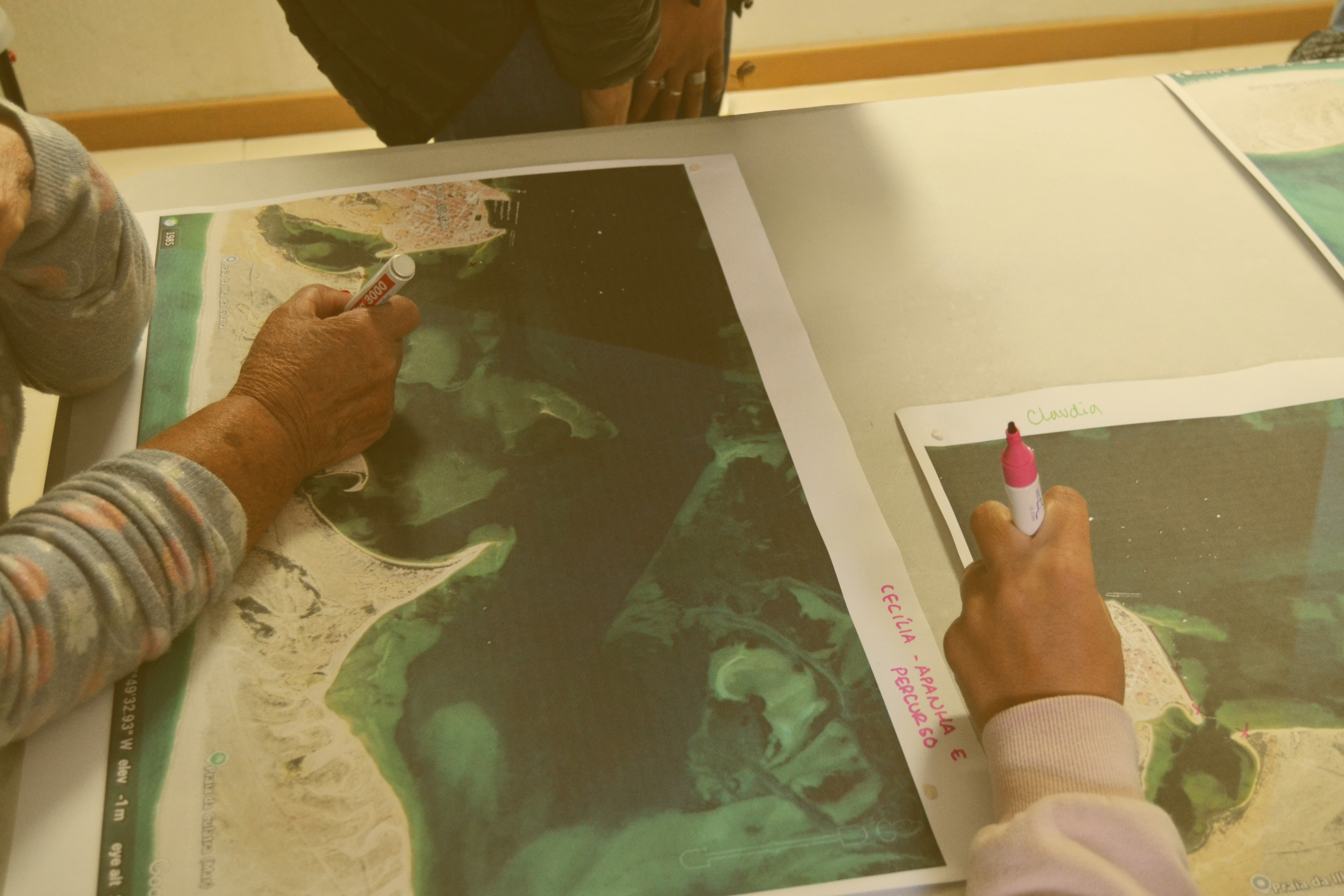
Participatory mapping and climate risk perception maps
Strategies and action plans for climate adaptation in the context of ICZM and MSP in Catalonia and Sardinia
Regional and local strategies developed through Democracy Labs to integrate Inclusive Nature-Based Solutions for coastal adaptation to climate risk in the Algarve & Kaštela.
Technical Democracy Toolbox to transfer SWAP and DLABs methods into coastal & maritime planning
The project outcomes will contribute to the implementation process of the Mediterranean Strategy for Sustainable Development (MSSD) and within the framework of the Working Group for Maritime Spatial Planning (MSP) under the Barcelona Convention.
Duration: 01/04/2025 – 31/12/2027
Total budget: €2.487.000 — funded 80% by Interreg Euro-MED and 20% National funds.