Fisheries management in the Atlantic: progress in marine conservation, but significant challenges remain
24 de November, 2026
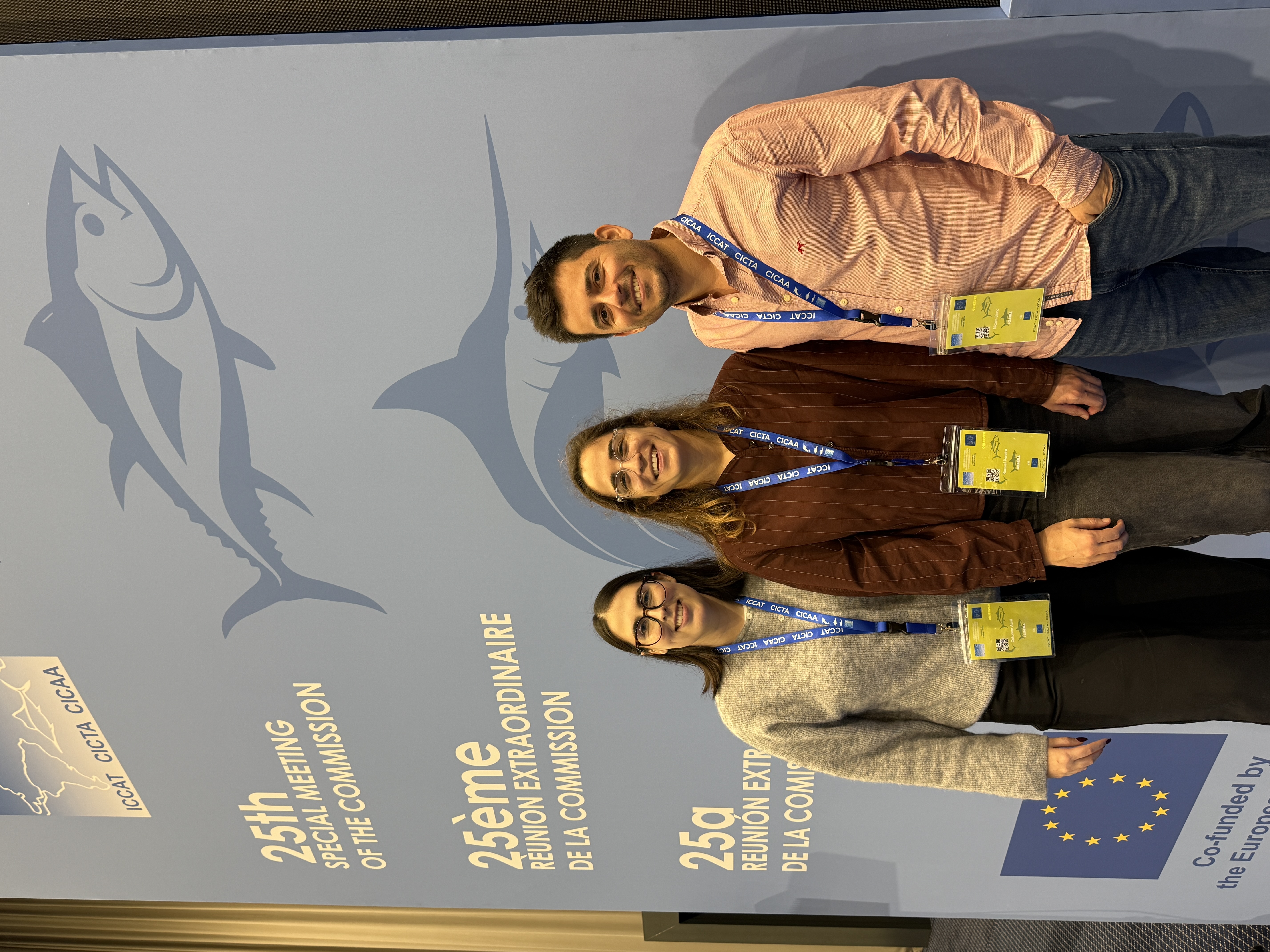
Sciaena recently attended the annual meetings of two key regional fisheries management organisations (RFMOs) in the Atlantic: the International Commission for the Conservation of Atlantic Tunas (ICCAT), in Vilamoura, and the North-East Atlantic Fisheries Commission (NEAFC), in London.
While progress was made in shark conservation and ecosystem-based fisheries management, significant challenges remain in ensuring the sustainable management of marine resources and effective fisheries control.
ICCAT: progress in shark conservation, but persistent management failures
ICCAT failed to agree on new management measures for yellowfin tuna (Thunnus albacares) due to disagreements over quota allocation and fishing restrictions around Fish Aggregating Devices (FADs). This is particularly concerning given that the authorised catch limit of 110,000 tonnes has been consistently exceeded for over a decade, and juveniles account for more than 90% of individuals caught.
In contrast, the recovery of bigeye tuna (Thunnus obesus), a species of particular importance to small-scale fisheries in the Azores and Madeira, allowed for an increase in the catch limit from 73,000 to 85,000 tonnes for 2027.
Positive developments in shark conservation included the maintenance of the North Atlantic shortfin mako (Isurus oxyrinchus) retention ban and, after more than 15 years of negotiations, the adoption of a phased plan requiring sharks to be landed with their fins naturally attached, an important step towards combating shark finning.
However, ICCAT once again failed to adopt a High Seas Boarding and Inspection (HSBI) scheme, leaving a significant gap in its ability to ensure compliance and combat illegal fishing.
NEAFC: towards an ecosystem approach to fisheries management
At NEAFC, disagreements over quota allocation for mackerel, blue whiting and Atlanto-Scandian herring continue to undermine science-based management, with combined national quotas systematically exceeding recommended catch limits.
Some progress was achieved in shark conservation, with the renewal of the prohibition on directed fishing for porbeagle (Lamna nasus) for 2027 and 2028 and the adjustment of spurdog (Squalus acanthias) catch limits in line with scientific advice.
The most encouraging outcome was the adoption, by consensus, of a statement on the implementation of an ecosystem approach to fisheries management (EAFM). Contracting Parties committed to developing operational objectives to address the impacts of fishing on marine food webs, bycatch and threatened species, while strengthening the integration of scientific knowledge into management decisions.
Although the statement does not yet constitute a legally binding conservation measure, this commitment represents an important step beyond traditional single-stock management. The challenge now is to translate it into measurable objectives and concrete conservation measures.
Sciaena will continue to engage in both RFMOs, advocating for science-based, precautionary and ecosystem-based fisheries management that safeguards the marine ecosystems upon which healthy and resilient fisheries depend.